Retro Sunday: The Playfully Nostalgic Display Font for Modern Designers
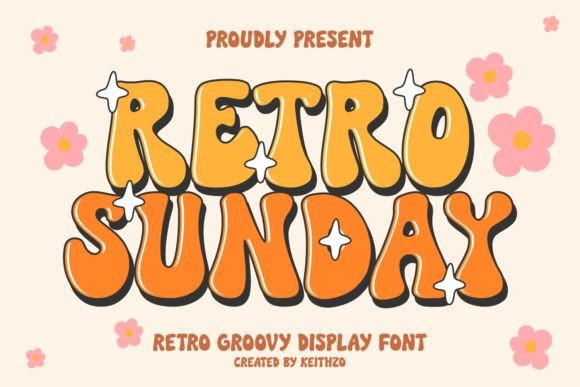
There is a distinct warmth to the aesthetics of the past that digital design often struggles to replicate. We scroll through endless feeds of sleek, minimalist sans-serifs and crisp geometric shapes, yet our eyes still linger on the textures, quirks, and imperfections of analog eras. This is where Retro Sunday enters the conversation. It is not merely a typeface; it is a playful nod to nostalgia, crafted to deliver an incredible display font experience that bridges the gap between vintage charm and contemporary usability. For designers, marketers, and creative enthusiasts aged 20 to 50, finding a font that feels authentic without sacrificing legibility or modern functionality is a constant challenge. Retro Sunday answers that call with masterful design, positioning itself as a true favorite for those looking to elevate their creative ideas.
Why Nostalgia Works in Contemporary Branding
Nostalgia is a powerful psychological trigger. It evokes feelings of comfort, trust, and authenticity. In an age where brands are increasingly digital and transient, tapping into these emotions can create a lasting connection with your audience. Retro Sunday is playfully nostalgic, meaning it doesn’t just copy old styles; it interprets them through a modern lens. This makes it incredibly versatile. You aren’t limited to recreating a 1970s poster; you can use this display font to add that special retro touch to any design idea you can think of, from a modern coffee shop logo to a tech startup’s limited-edition merchandise.
The key to its effectiveness lies in its balance. Many retro fonts suffer from being too gimmicky or difficult to read at smaller sizes. Retro Sunday, however, has been masterfully designed to become a true favorite among professionals who need reliability alongside style. It has the potential to bring each of your creative ideas to the highest level by providing a strong visual anchor that commands attention without overwhelming the rest of the design elements.
Real-World Applications Across Industries
Understanding where to apply a display font like Retro Sunday is crucial for maximizing its impact. Because it carries such a strong personality, it works best in scenarios where you want to make a bold statement or evoke a specific mood. Here are several practical scenarios where this font shines:
- Hospitality and Food & Beverage: Imagine a craft brewery launching a new seasonal ale. The label needs to stand out on a crowded shelf. Using Retro Sunday for the beer’s name instantly communicates a sense of tradition and handcrafted quality. Similarly, a boutique bakery or a diner aiming for a mid-century modern vibe can use this font on menus, signage, and packaging to reinforce their brand identity.
- Fashion and Apparel: The resurgence of vintage streetwear and thrift-store chic has created a huge demand for typography that feels lived-in. Graphic designers creating t-shirt prints, hoodie designs, or tote bags can leverage Retro Sunday to create eye-catching slogans or brand logos that resonate with the 20–50 demographic who appreciate retro aesthetics.
- Event Promotion and Entertainment: Whether it’s a music festival, a vintage market, or a theater production, event posters need to grab attention quickly. Retro Sunday’s playful nature makes it ideal for headlines that promise fun and excitement. It works particularly well for events themed around specific decades, but its versatility allows it to fit into broader cultural celebrations as well.
- Digital Content and Social Media: In the fast-paced world of Instagram and Pinterest, static images need to pop. Using Retro Sunday for quote graphics, sale announcements, or blog headers can increase engagement by breaking the monotony of standard web fonts. It adds a layer of personality that helps content feel more curated and less generic.
The Technical Advantage: PUA Encoding and Ease of Use
For many designers, the beauty of a font is only half the battle; the other half is usability. A font that looks great but is frustrating to work with will quickly fall out of favor. This is where the technical specifications of Retro Sunday truly shine. This font is PUA (Private Use Area) encoded, which means you can access all of the amazing glyphs and ligatures with ease.
What does this mean for your workflow? Without PUA encoding, accessing special characters, alternate letterforms, or decorative ligatures often requires copying and pasting from a separate character map or using complex keyboard shortcuts. With Retro Sunday, these features are seamlessly integrated into your design software. You can type naturally, and the font’s intelligent ligatures will automatically adjust to create smoother, more professional-looking connections between letters. This efficiency allows you to focus on creativity rather than troubleshooting typography settings. It ensures that the "incredible display font" experience is not just visual, but also functional.
Design Considerations and Best Practices
While Retro Sunday is incredibly versatile, it is important to approach its usage with intention. As a display font, it is designed to be used at larger sizes. Using it for long paragraphs of body text can reduce readability and dilute its impact. Instead, pair it with a clean, neutral sans-serif or a classic serif for body copy. This contrast allows Retro Sunday to take center stage as the headline or accent element, while the supporting text remains easy to read.
Color also plays a significant role in how this font is perceived. Because it leans into nostalgia, earthy tones, muted pastels, or bold primary colors can enhance its retro feel. However, don’t be afraid to experiment with modern color palettes. The playful nature of Retro Sunday allows it to adapt to contemporary trends, making it suitable for brands that want to honor the past while looking firmly toward the future.
Another consideration is spacing. Display fonts often benefit from slight adjustments in kerning and tracking to ensure optimal visual balance. Take the time to tweak the spacing between letters, especially when using the font in all-caps or for short, impactful words. This attention to detail will further elevate your design and ensure that the font’s masterful design is fully realized.
Who Benefits Most from Retro Sunday?
This font is particularly beneficial for freelance graphic designers, small business owners, and marketing professionals who need to create high-impact visuals without extensive resources. For freelancers, having a versatile font like Retro Sunday in your toolkit means you can quickly adapt to client briefs that call for a vintage or playful aesthetic. For small business owners, it offers a way to create professional-looking branding materials in-house, reducing reliance on external agencies for every minor update.
Creative directors and art buyers also benefit from fonts that offer both style and substance. Retro Sunday’s PUA encoding and extensive glyph set mean that it can handle complex design requirements without needing multiple font files or workarounds. This reliability makes it a safe yet exciting choice for high-stakes projects where consistency and quality are paramount.
Ultimately, Retro Sunday is more than just a typeface; it is a tool for storytelling. It allows you to infuse your designs with personality, warmth, and a touch of whimsy. Whether you are designing a logo for a new startup, creating a poster for a local event, or updating your social media presence, this font provides the flexibility and flair needed to make your work stand out. By combining playful nostalgia with modern technical precision, Retro Sunday empowers you to bring your creative ideas to life with confidence and style.