Mind Blowing: Integrating a Techno-Science Display Font into Professional Design Workflows
In the crowded landscape of digital design, typography serves as more than just a vehicle for text; it is a primary component of visual identity and user engagement. Mind Blowing emerges as a distinct techno-science display font that bridges the gap between futuristic aesthetics and functional clarity. For designers, marketers, and content creators, understanding how to integrate this typeface into broader creative processes is essential for maximizing its impact. This article explores the practical application of Mind Blowing across various media, focusing on workflow integration, compatibility, and strategic implementation.
Defining the Aesthetic and Functional Role
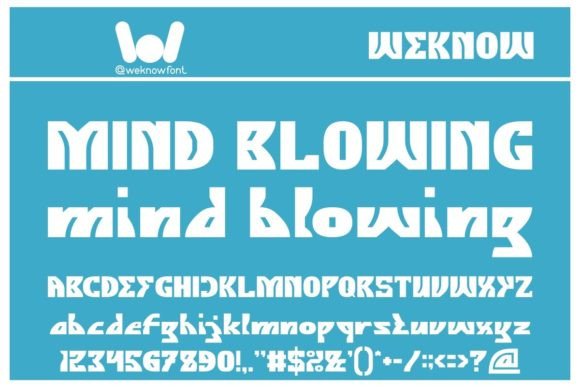
Mind Blowing is characterized by its sharp geometric lines and structural precision, evoking themes of technology, science, and innovation. Unlike traditional serif or sans-serif fonts designed for long-form reading, this typeface is optimized for display purposes. Its primary function is to capture attention immediately, making it an ideal choice for headlines, logotypes, and short bursts of information. When incorporated into a brand identity, it signals modernity and forward-thinking values.
The font’s utility extends beyond mere appearance. In a professional workflow, selecting a display font like Mind Blowing requires an understanding of its limitations and strengths. It is not suitable for body text due to its stylized nature, which can reduce readability at smaller sizes. Instead, it thrives in environments where visual hierarchy is critical. By reserving Mind Blowing for high-impact elements, designers can create a clear distinction between primary messages and supporting content, guiding the viewer’s eye effectively through the composition.
Strategic Implementation in Brand Identity and Logo Design
Developing a corporate identity involves more than selecting a color palette; it requires a cohesive typographic system. Mind Blowing fits seamlessly into brands operating within the tech, gaming, or entertainment sectors. When used in logo design, the font’s unique letterforms provide instant recognition. However, successful implementation depends on careful spacing and kerning adjustments. Because display fonts often have irregular proportions, manual tweaking is necessary to ensure balance and visual harmony.
During the initial phases of brand development, designers should test Mind Blowing against various background colors and textures. Its techno-science aesthetic pairs well with dark modes, neon accents, and metallic gradients. This compatibility allows for versatile applications across digital platforms, from website headers to mobile app interfaces. Establishing these guidelines early in the process ensures consistency across all touchpoints, reinforcing brand recall and professional credibility.
Enhancing Visual Content for Social Media and Digital Marketing
In the fast-paced environment of social media, particularly on platforms like Instagram and YouTube, visuals must compete for attention within seconds. Mind Blowing offers a solution for creating striking thumbnails, story overlays, and promotional graphics. Its bold structure stands out against busy backgrounds, ensuring that key messages remain legible even on small screens.
For marketers and content creators, integrating this font into their asset library streamlines the production process. By creating templates that utilize Mind Blowing for titles and calls to action, teams can maintain a consistent visual language without redesigning each piece from scratch. This approach enhances efficiency and reduces the time spent on repetitive tasks. Furthermore, the font’s energetic vibe aligns well with dynamic content such as game trailers, music videos, and comic book promotions, adding a layer of excitement and anticipation.
Application in Print Media and Publishing
While digital media dominates current marketing strategies, print remains a vital channel for certain industries. Mind Blowing translates effectively to posters, magazine covers, and book jackets, particularly those related to science fiction, technology, or contemporary culture. In these contexts, the font acts as a visual anchor, drawing readers into the narrative before they engage with the detailed content.
When preparing files for print, attention to resolution and vector integrity is crucial. Ens that Mind Blowing is used in its vector format prevents pixelation and maintains crisp edges at large scales. Designers should also consider the interaction between the font and paper textures. Matte finishes can soften the harshness of the geometric lines, while glossy coatings can enhance the futuristic feel. These material choices influence the final perception of the design, making them an integral part of the planning process.
Workflow Integration and Technical Compatibility
Integrating a new typeface into an existing workflow requires technical preparation. Mind Blowing is compatible with major design software, including Adobe Photoshop, Illustrator, and InDesign, as well as web-based tools. Before beginning a project, users should verify license agreements to ensure compliance with commercial use requirements. This step prevents legal issues and supports ethical design practices.
Organization is key to efficient usage. Creating a dedicated folder for font files, along with specimen sheets and usage guidelines, helps team members access resources quickly. For web developers, implementing Mind Blowing via CSS requires careful consideration of load times and fallback fonts. Using @font-face rules properly ensures that the font renders correctly across different browsers and devices, maintaining the intended visual experience for all users.
Quality Control and Consistency Checks
Consistency is the hallmark of professional design. When using Mind Blowing across multiple projects, regular quality checks are necessary to maintain standards. This includes verifying alignment, spacing, and color contrast. Automated tools can assist in detecting inconsistencies, but human review remains essential for assessing aesthetic balance.
Feedback loops play a significant role in refining the use of display fonts. Collaborating with stakeholders, clients, and end-users provides valuable insights into how the font is perceived. Adjustments based on this feedback can improve usability and effectiveness. For instance, if users find certain letter combinations difficult to read, designers might modify spacing or substitute specific characters to enhance clarity without compromising the overall style.
Long-Term Value and Adaptability
Investing in a versatile typeface like Mind Blowing offers long-term value for creative professionals. Its adaptability allows it to evolve with changing design trends while retaining its core identity. As businesses expand into new markets or launch additional products, the font can be repurposed for various campaigns, reducing the need for frequent rebranding.
Moreover, the font’s relevance extends to emerging technologies such as virtual reality and augmented reality interfaces. Its clean, structured forms translate well to three-dimensional spaces, providing a familiar yet futuristic user experience. By adopting Mind Blowing now, designers position themselves to leverage these opportunities as they arise, staying ahead of the curve in an ever-evolving industry.
Practical Tips for Immediate Implementation
- Start Small: Introduce Mind Blowing in single elements, such as headers or buttons, to gauge its impact before widespread adoption.
- Pair Wisely: Combine the font with neutral sans-serifs for body text to create balance and improve readability.
- Test Contexts: Evaluate the font on different devices and lighting conditions to ensure visibility and appeal.
- Document Standards: Create a style guide that specifies usage rules, including minimum sizes, acceptable colors, and spacing requirements.
- Seek Feedback: Regularly consult with peers and users to identify areas for improvement and refinement.
By following these practical steps, professionals can harness the power of Mind Blowing to elevate their design projects. The font’s unique characteristics offer a compelling way to communicate innovation and energy, making it a valuable asset in any creative toolkit. Whether used for a corporate logo, a movie poster, or a social media campaign, Mind Blowing provides the visual punch needed to stand out in a competitive landscape.
Ultimately, the success of any typographic choice depends on thoughtful integration and consistent execution. Mind Blowing is not just a font; it is a tool for storytelling and brand building. By understanding its potential and applying it strategically, designers and creators can achieve impactful results that resonate with their audience and support their professional goals.